

Deepawali in Every State in India and the Traditions That Make the Festival Unique
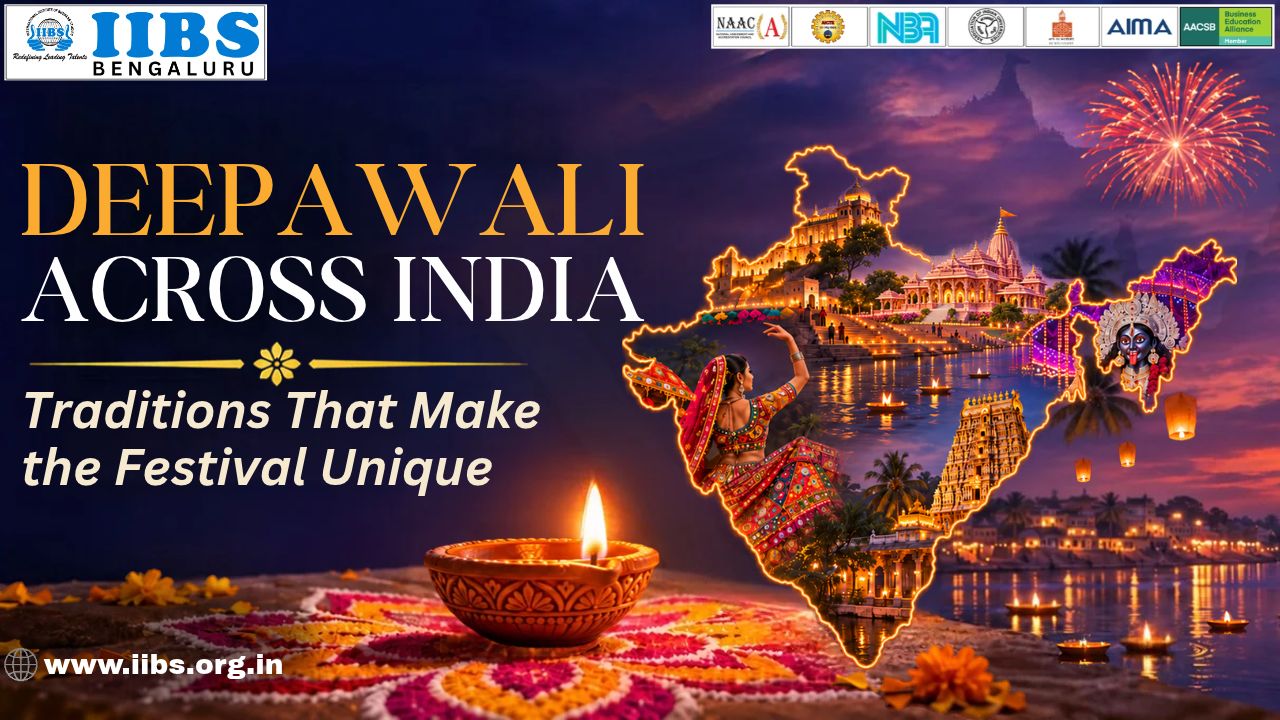
Across India, Deepawali arrives with familiar signs: homes are cleaned, lamps glow at doorways, sweets are shared, and families gather. The stories behind those lamps, however, shift from place to place. For some communities, the night recalls Rama’s return to Ayodhya; others honor Krishna’s victory over Narakasura or worship Goddess Kali. Jain communities remember Mahavira’s nirvana, while Sikhs observe Bandi Chhor Divas on the same date. These beliefs and local practices carry the festival’s importance forward. No state custom describes every household. This journey across the states highlights distinctive traditions while recognizing the many ways families make Deepawali their own.
Northern India
Uttar Pradesh connects the festival strongly to Ayodhya, where rows of lamps recall Rama’s return and the city’s Deepotsav draws visitors. Varanasi extends the season with Dev Deepawali on Kartik Purnima, fifteen days later, when the ghats glow with lamps. Punjab shares the date with Bandi Chhor Divas. Sikh communities remember Guru Hargobind’s release from imprisonment alongside 52 princes, and the Golden Temple becomes a focus for prayer and illumination. These observances share the calendar while keeping their own histories.
Across Haryana, Rajasthan and Himachal Pradesh, families prepare their homes, light diyas and perform Lakshmi puja. Rajasthan’s cities are known for illuminated markets and homes; Jaipur’s decorated streets show the festival's public scale. In Haryana and Himachal Pradesh, Govardhan Puja and Bhai Dooj often extend family observances into the following days.
Uttarakhand adds Igas, or Igas Diwali, eleven days after the main festival. Local folklore says news of Rama’s return reached the hills later. Community gatherings, traditional music and dancing give this observance a distinctive place in the state’s festive calendar.
Western and Central India
In Gujarat, the celebrations lead into Bestu Varas, the Gujarati New Year. Traders perform Chopda Pujan to bless new account books, while families visit relatives and exchange New Year greetings. Maharashtra gives special meaning to Balipratipada, also called Padwa, which honors King Bali in local tradition. The festive days bring families together over homemade snacks and sweets, and Bhau Beej celebrates the bond between siblings.
Goa marks Naraka Chaturdashi with large Narkasur effigies made by neighborhood groups. The figures are paraded and burned before dawn, turning a familiar story of good overcoming evil into a shared community event. In Madhya Pradesh, Diwali Pahat welcomes the morning with classical and devotional music, including bhajans and, in some cities, Marathi compositions.
In Chhattisgarh, Deepawali is also known as Devari Tihar or Surhutti Tihar. Its five-day observance includes Lakshmi puja, Suwa and Gaura-Gauri traditions, followed by Govardhan Puja and Maatar. These customs, especially those linked to cattle and rural livelihoods, give the festival a strong community and agrarian character.
Eastern and Northeastern India
In Bihar, families light lamps, decorate their homes, and gather for Lakshmi-Ganesh puja, sweets, and prayers for prosperity. Jharkhand shares the season with Sohrai, a harvest and cattle festival observed by some tribal communities around Diwali. Animals are bathed and honored, connecting the festive period with agriculture and everyday livelihoods.
In West Bengal, the new-moon night is closely associated with Kali Puja. Bhoot Chaturdashi, observed before it in many homes, includes lighting fourteen earthen lamps in memory of ancestors. Odisha also observes Kali Puja in many places, while Bada Badua Daka honors ancestors: families light bundles of jute stalks called kaunria kathi to illuminate their path.
Assam's cultural calendar includes Diwali and Kali Puja alongside Bihu, Me-Dam-Me-Phi, and the festivals of many communities. In Sikkim, Deepawali is observed as Lakshmi Puja, while the related five-day Tihar tradition honors crows, dogs, cows, and oxen before concluding with Bhai Tika. Singing groups visit homes with Bhailo and Deusi songs.
In Tripura, a Diwali fair near the Tripura Sundari Temple at Matabari draws pilgrims and visitors. Across Arunachal Pradesh, Manipur, Meghalaya, Mizoram and Nagaland, Diwali is observed within varied community and faith calendars. In Manipur, Govindajee Temple is a visible center for the festival. Local expression differs across the region, where each community also sustains its own traditions and seasonal celebrations.
Southern India
Across Andhra Pradesh and Telangana, Naraka Chaturdashi gives Deepavali a pre-dawn rhythm in many homes. Families wake early for an oil bath, wear new clothes and share festive food, recalling Krishna’s victory over Narakasura. Local rituals vary from one community and district to another.
Karnataka marks Naraka Chaturdashi and Lakshmi puja, followed by Bali Padyami. In some homes, families create and decorate a small image of King Bali, whose return is associated with prosperity and welfare. Tamil Nadu celebrates early in the morning, with oil baths before sunrise, new clothes, sweets and savories. Newly married couples may mark Thalai Deepavali, their first Deepavali after marriage.
In Kerala, the day also begins with a pre-sunrise oil bath. A jaggery-and-dry-ginger preparation is traditionally eaten afterward, followed by prayers, new clothes, sweets and illuminated homes. The details vary by household, but the morning ritual gives Kerala’s observance a distinct rhythm.
A shared season shaped by local histories
From Igas gatherings in Uttarakhand to Kali Puja in Bengal, from music at dawn in Madhya Pradesh to ancestor rites in Odisha, Deepawali carries many stories. Its traditions speak of victory, prosperity, harvest, remembrance, new beginnings, and family bonds. The lamp is a familiar image across the country, but its meaning belongs to the people and communities who light it.
Leave a Reply
Your email address will not be published. Required fields are marked *
0 Replies to "Deepawali in Every State in India and the Traditions That Make the Festival Unique"